Product data backup and recovery: best practices
Product data is easy to break and slow to rebuild. One wrong import can overwrite prices across the catalog, a plugin update can wipe attributes, an employee can delete a category by mistake. Rebuilding descriptions, images and settings for thousands of products takes weeks. A simple backup routine turns that into a short restore.
What to back up
- Product records: names, SKUs, descriptions, attributes, categories.
- Prices and stock, including different price types.
- Images, or at least the list of image links.
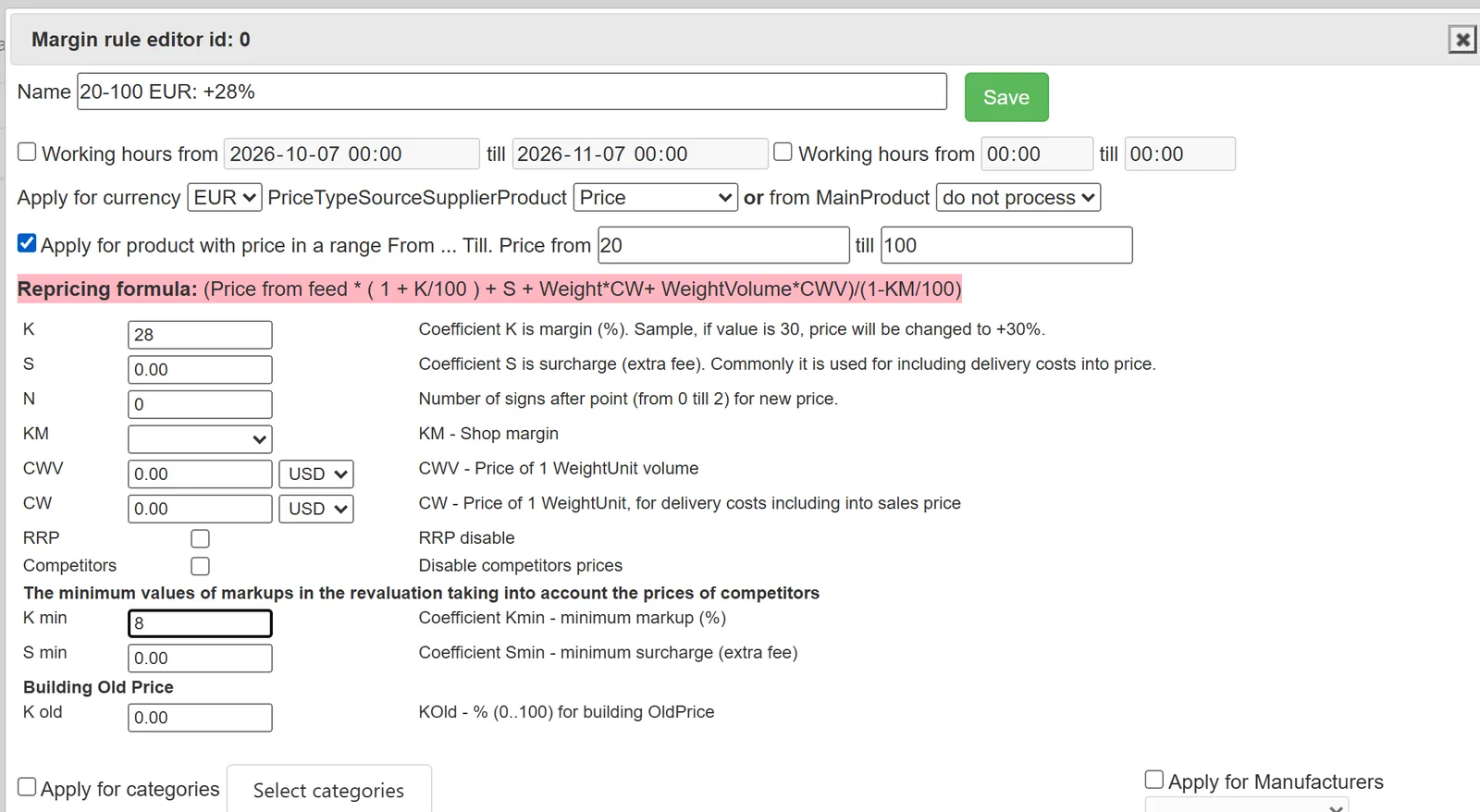
- Settings that produce the data: supplier mappings, product links, pricing rules. These are often harder to recreate than the products themselves.
Best practices
Back up before every big change
Before a bulk update, a new pricing rule or a migration, export the current catalog. This single habit prevents most serious losses.
Automate regular backups
Daily or weekly exports on a schedule, depending on how often your catalog changes.
Keep copies in more than one place
A copy on the same server as the store does not help if the server fails. Keep at least one copy in separate cloud storage.
Keep several versions
A problem is often noticed days later. Keep a week of daily copies and a few monthly ones.
Use readable formats
CSV, Excel or XML files can be opened and partially restored without special tools.
Test the restore
A backup that has never been restored is an assumption. Once in a while, restore a few products into a test environment and check that everything is there.
Recovery: what to do when data is damaged
- Stop scheduled imports and exports so the problem does not spread.
- Find the cause and the moment it happened.
- Restore from the last good copy, ideally only the affected fields or products.
- Re-run supplier imports to bring prices and stock up to date.
- Write down what happened and add a check that would catch it next time.
Related Articles
Set it up once. YfiFX does the rest
14 Days Free Trial. Sign up and import your first price list today.