AI text generation for product catalogs
Supplier price lists rarely come with descriptions you can publish. Some have a single line per item, some copy the manufacturer's text word for word, and many have nothing at…
Practical guides on supplier price lists, product data, pricing and stock management for online stores on any platform.
Supplier price lists rarely come with descriptions you can publish. Some have a single line per item, some copy the manufacturer's text word for word, and many have nothing at…
Most stores begin by updating products by hand: open the supplier's file, find the changed prices, copy them into the admin panel. It works until the second or third supplier, or…
Whatever platform your store runs on, Shopify, WooCommerce, OpenCart, PrestaShop or something else, the problem with supplier data is the same. Products arrive in different files…
Every catalog collects dead weight over time. Suppliers discontinue products, seasonal items stop selling, and some listings stay online long after the last unit was sold…
Adding products one at a time works for a boutique with fifty items. Stores that sell from supplier catalogs deal with hundreds or thousands of products, and the catalog keeps…
Selling a product online means publishing information you are responsible for: safety warnings, materials, age restrictions, energy labels, country of origin. When that…
Customers compare prices in seconds. If the same product is cheaper two clicks away, most of them buy it there. That does not mean you always have to be the cheapest, but you do…
Shopping ads, marketplace listings, price comparison sites, e-mail campaigns with product blocks: all of them depend on product data. When the data in these channels lags behind…
Product integration is the link between where product data originates and where it is sold. On one side are suppliers with their price lists, feeds and APIs. On the other is your…
CSV is the most universal format for product data. Every store platform can import it, every supplier can produce it, and anyone can open it in a spreadsheet. That makes CSV a…
Standard product fields cover the basics: name, price, quantity, description, images. Real products need more. Furniture has dimensions and materials, phone cases have compatible…
General stores can get by with a name, a photo, a price and a short description. Niche stores cannot. A customer buying bike parts needs to know the axle standard. A customer…
Every supplier has its own idea of what a price list should look like. One puts the SKU in the first column and the price in the fifth. Another sends XML with categories nested…
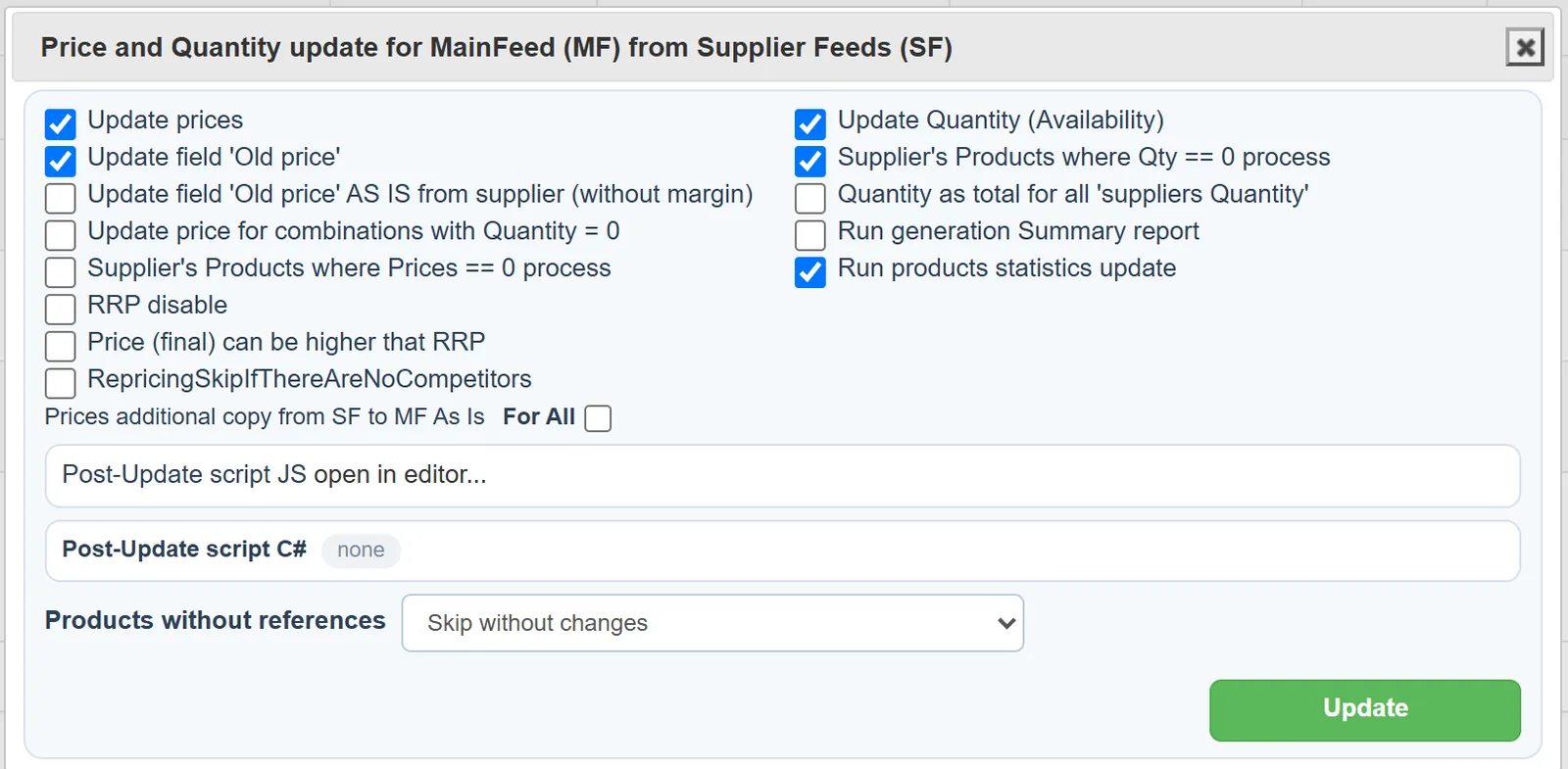
"Dynamic pricing" usually brings to mind airlines and taxi apps. For a store that resells supplier products it means something much more practical: prices that follow real…
"As often as possible" is the instinctive answer, and usually the wrong one. Different kinds of product data change at very different speeds. Updating everything at the highest…
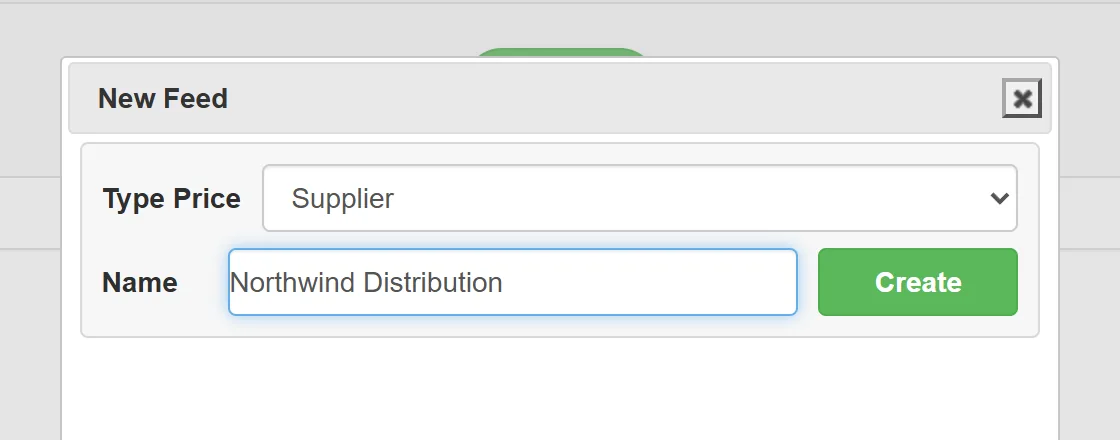
In YfiFX, each supplier's price list lives in its own supplier feed. The feed stores how the supplier's data is received and read, so every new price list from that supplier is…
Overselling happens when a store accepts an order for an item it cannot deliver. For stores that keep their own stock, the usual cause is a sale on one channel that did not reach…
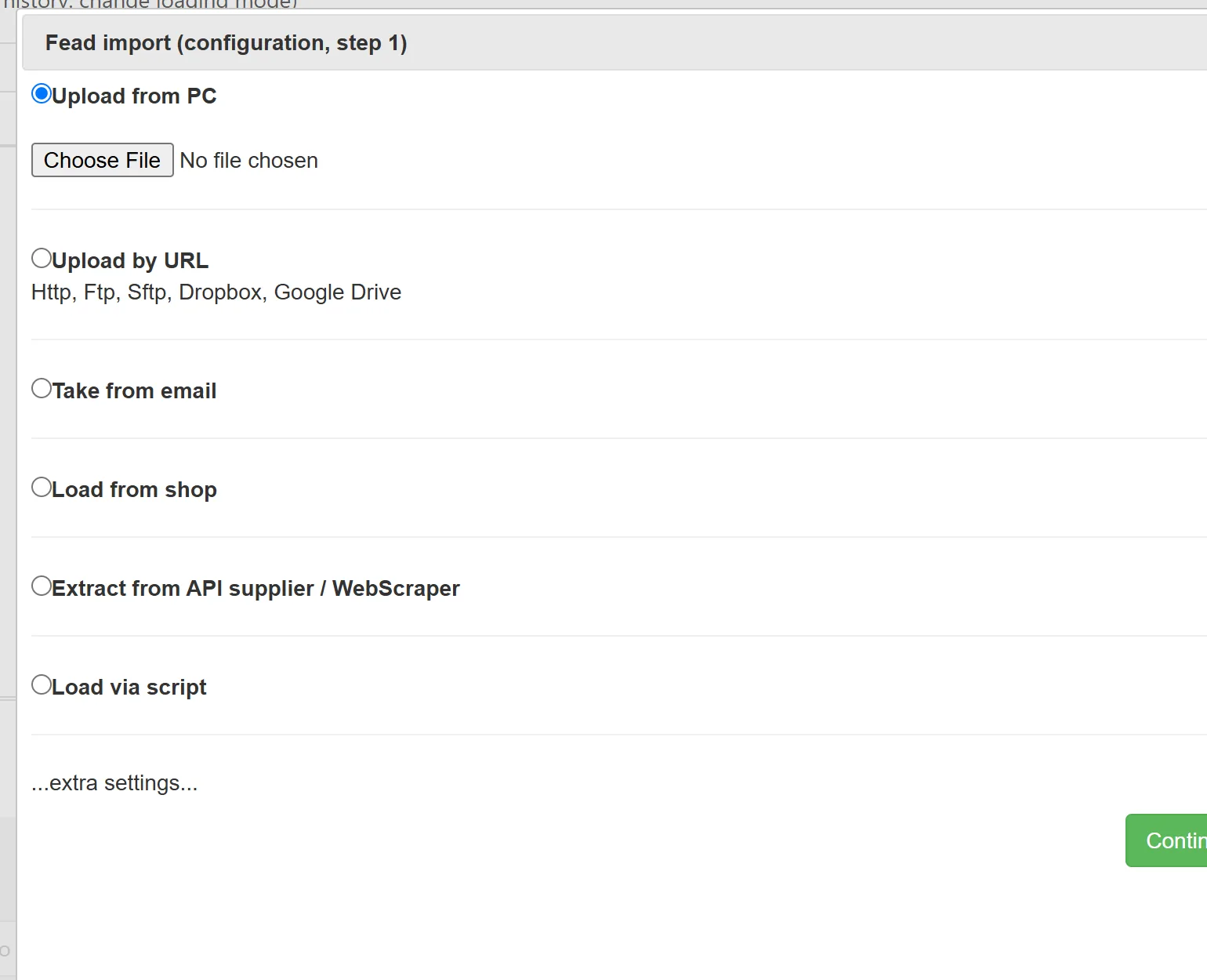
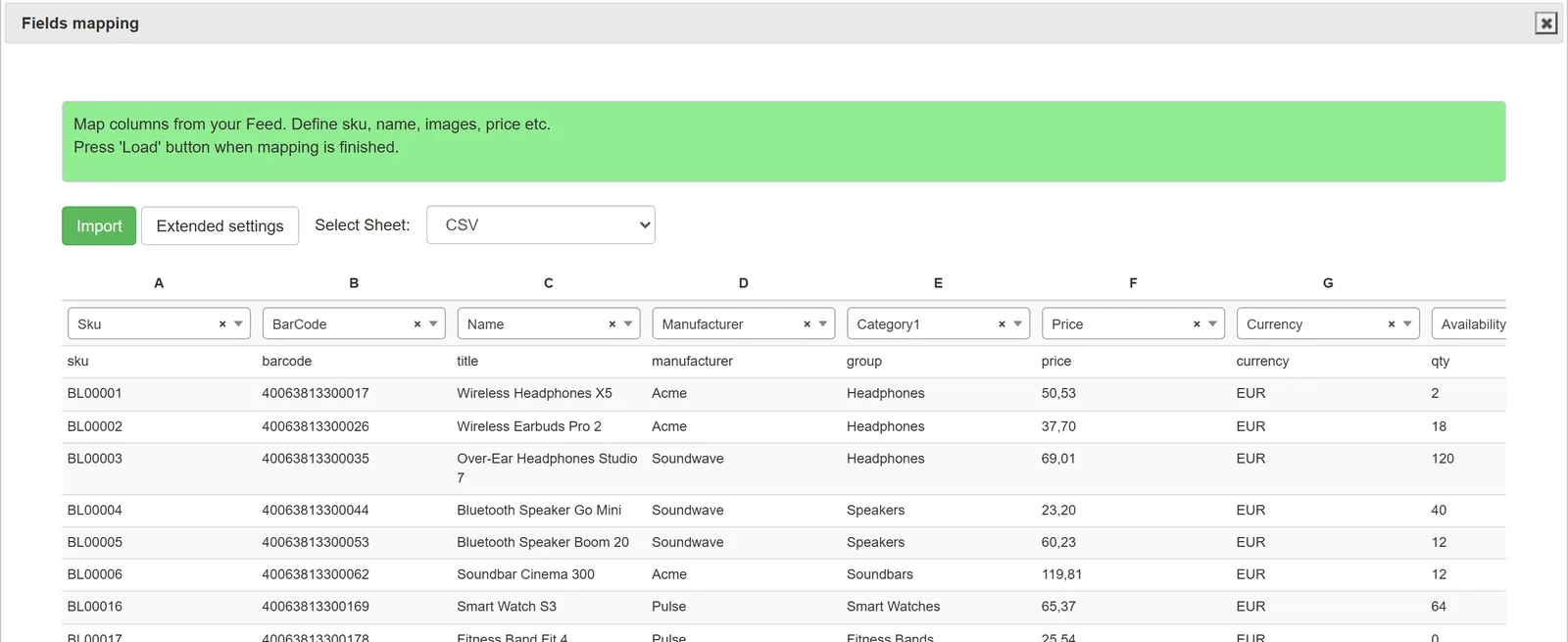
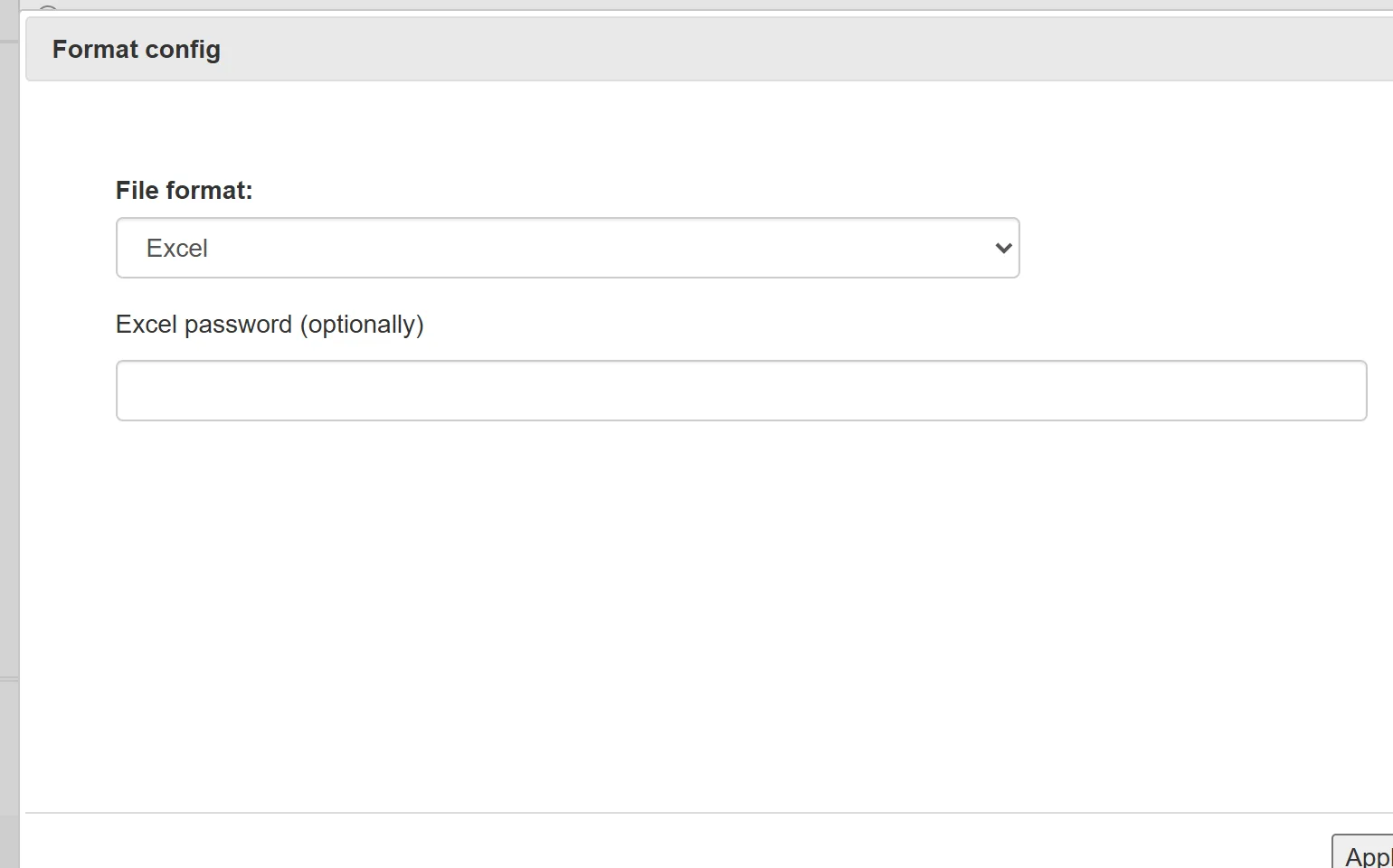
Once a supplier feed is created, you can load the supplier's price list into it. This guide shows how to upload an Excel file from your computer and map its columns. 1. Choose…
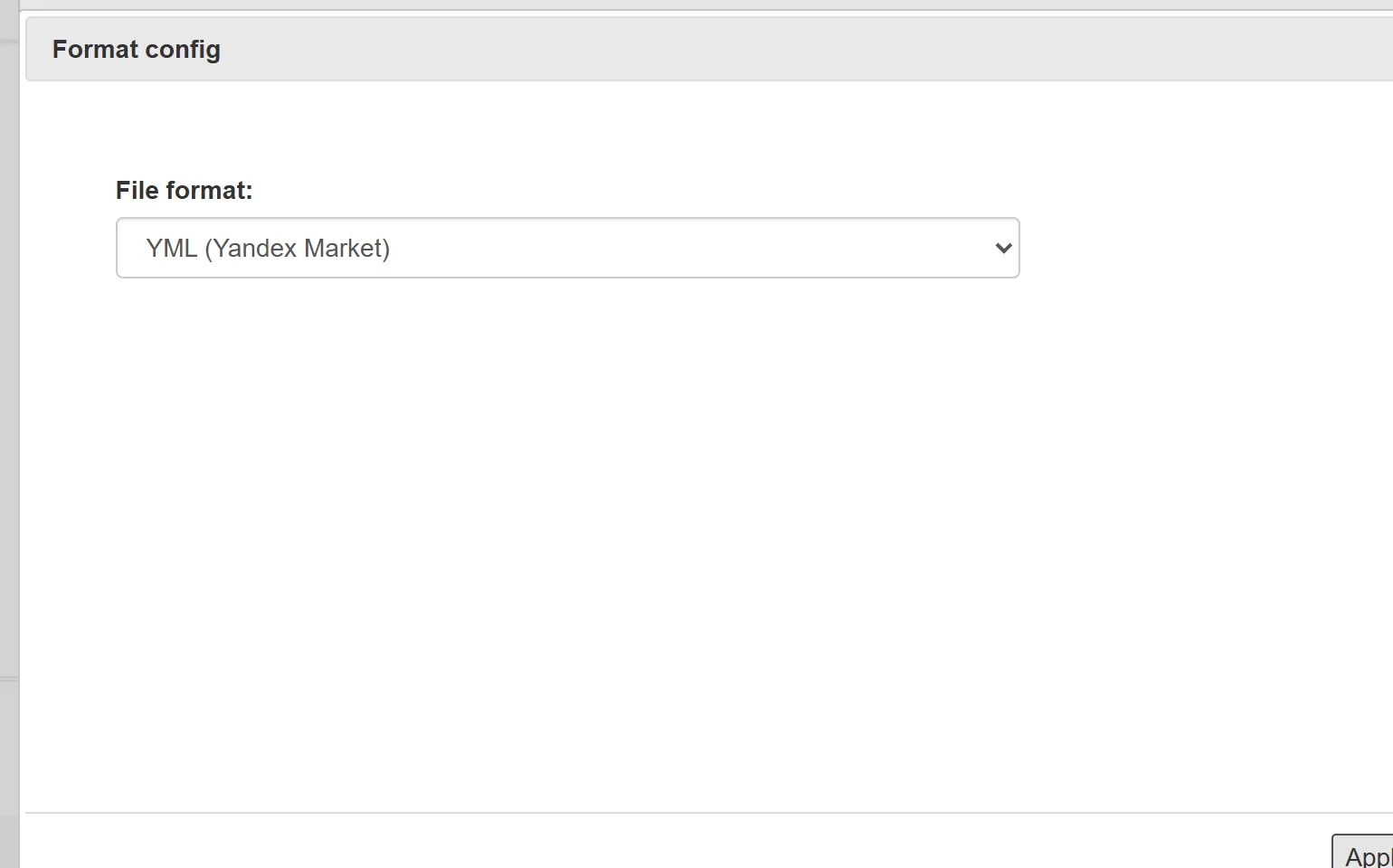
XML is one of the most common ways suppliers publish their catalogs. A permanent link to an XML file gives you the full product list with prices, stock, images and attributes…
For a store that sells from supplier warehouses, the stock figure on a product page is a promise. If it says "in stock" and the supplier ran out yesterday, the order turns into…
Selling in more than one place multiplies the reach of a store and the ways stock can go wrong. The same item is listed on your website, on a marketplace and in a feed for a…
Product data changes every day: a supplier raises prices, a bestseller goes out of stock, a new product line appears, an import fails. Each of these matters to someone on the…
An import that takes a few minutes for a thousand products can take hours for a hundred thousand. Long imports delay price updates, overlap with the next scheduled run and…
A T-shirt in five sizes and four colours is one product for the customer and twenty items for the warehouse. Each has its own stock, often its own SKU, and sometimes its own…
Every product in a catalog goes through the same stages: it appears at a supplier, gets added to the store, sells for a while, slows down, and eventually disappears. In a store…
Suppliers organise their catalogs for their own purposes. One groups products by brand, another by warehouse section, a third uses a deep tree with internal codes. If you import…
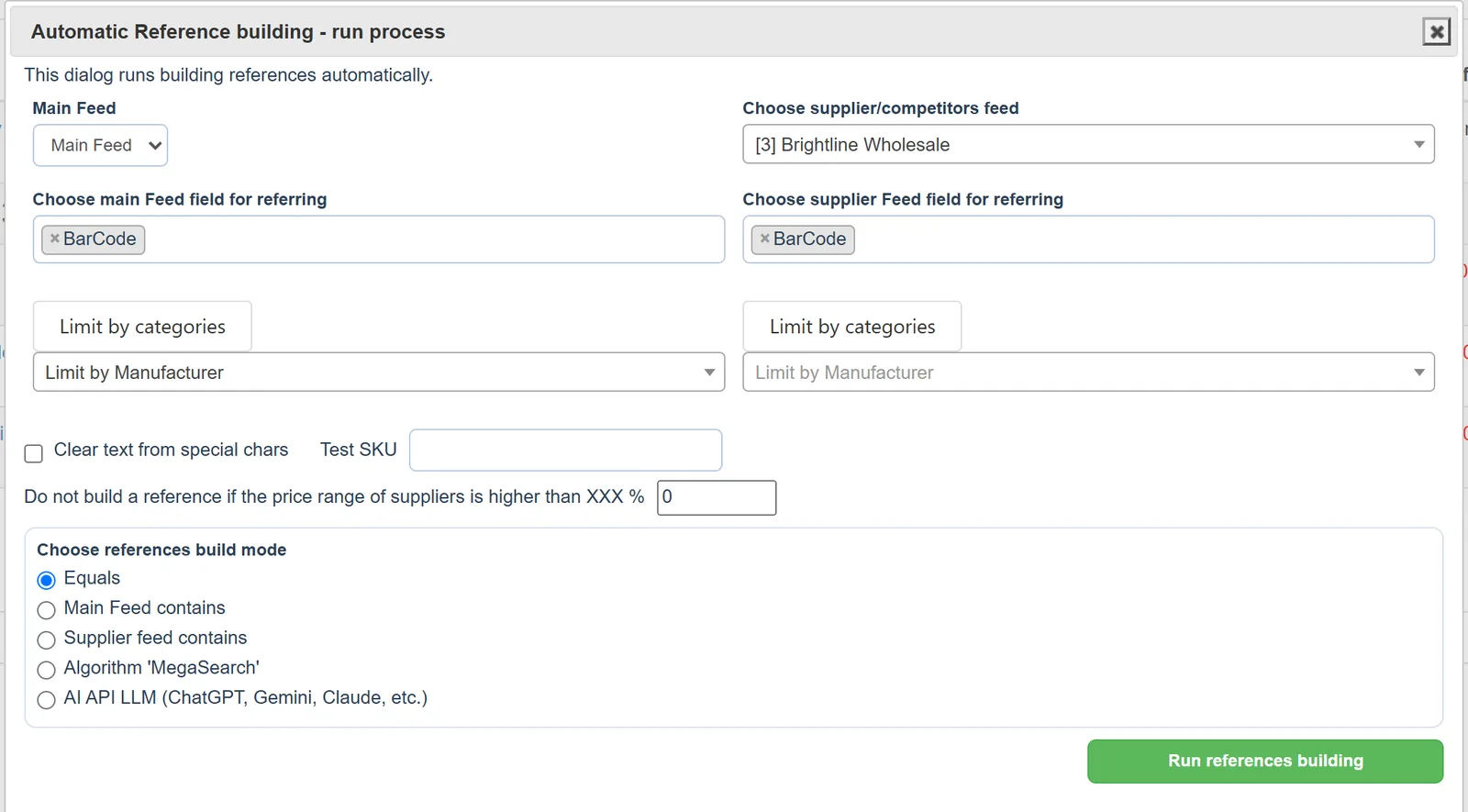
Wholesale price lists are built for trade buyers: product codes, purchase prices, pack sizes, minimum order quantities. To sell those products in a store, the data has to be…
A current price tells you where things stand today. A price history tells you how you got there: when a supplier raised prices, how often competitors run promotions, whether a…
Two products with the same cost and the same markup can behave very differently. One sells ten units a day, the other one a month. Pricing them the same way leaves money on the…
Customers do not evaluate prices like accountants. The way a price is shown, what it is compared with and how it ends all influence whether it feels fair. None of this replaces a…
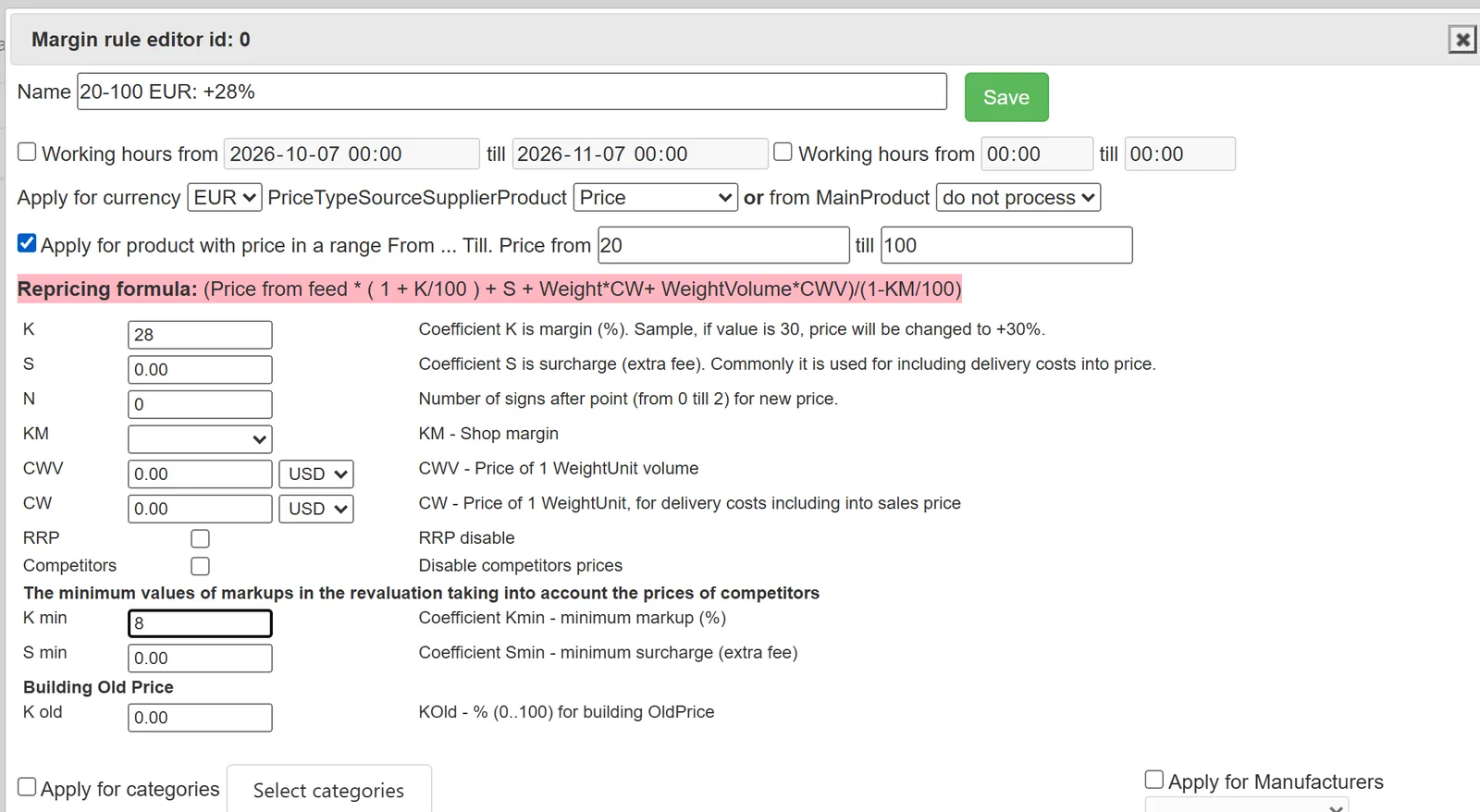
A price list with ten thousand items cannot be priced by hand, and it should not be. What you really manage is a short list of rules: what to add on top of the supplier's cost…
Most stores look at sales reports. Fewer look at the product data behind them: what suppliers offer, how their prices move, which items appear and disappear, and how your catalog…
Product data is easy to break and slow to rebuild. One wrong import can overwrite prices across the catalog, a plugin update can wipe attributes, an employee can delete a…
A supplier price list is written for buyers, not for customers. It has what a purchasing manager needs: a code, a short name, a price and a quantity. A customer in your store…
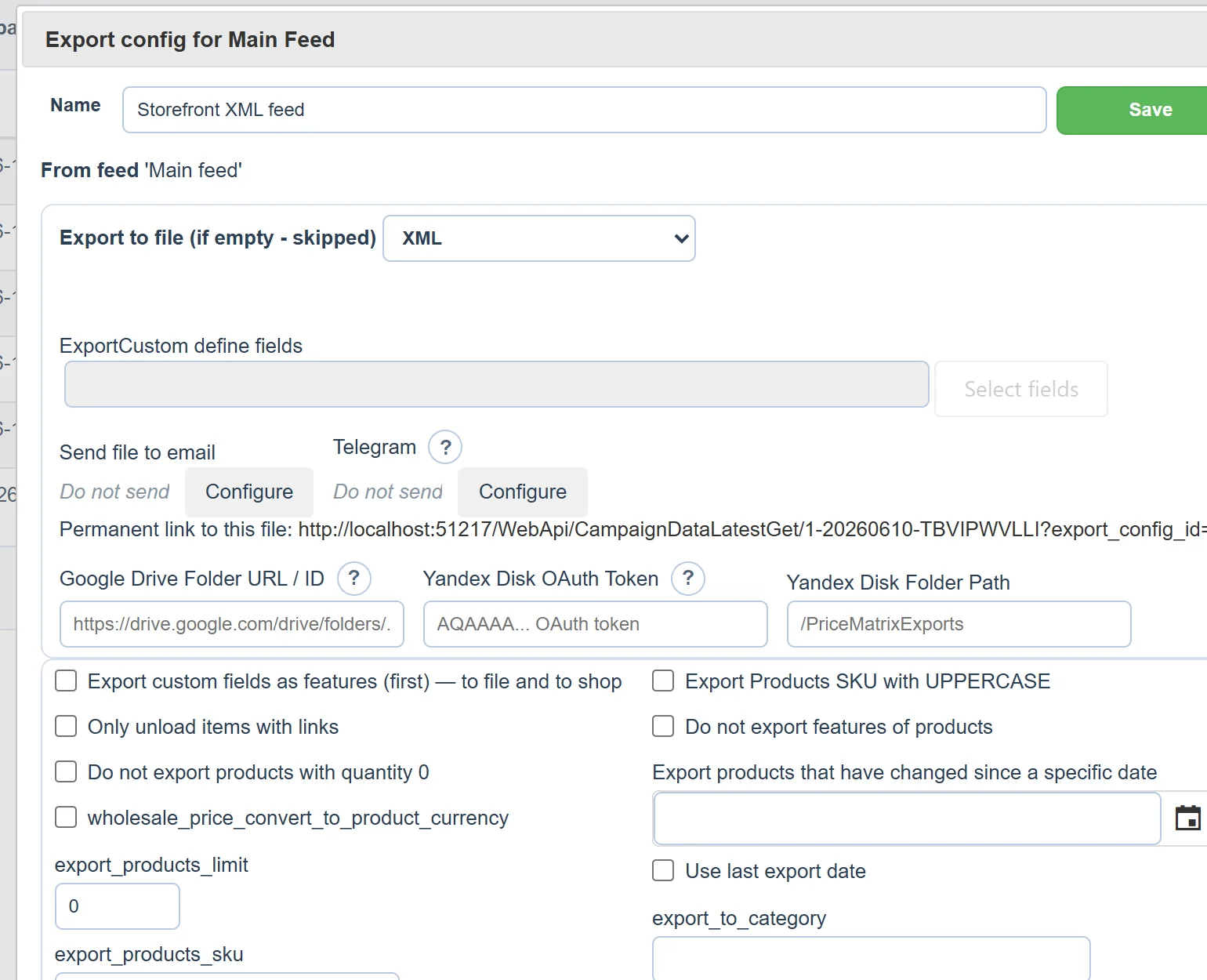
Export is usually thought of as the last step: sending products to the store. But a regular export of your catalog to files is useful for much more. It gives you a backup you can…
When one person runs the catalog, consistency comes naturally. When a content manager writes descriptions, a purchasing manager adds suppliers, a marketer edits titles for ads…
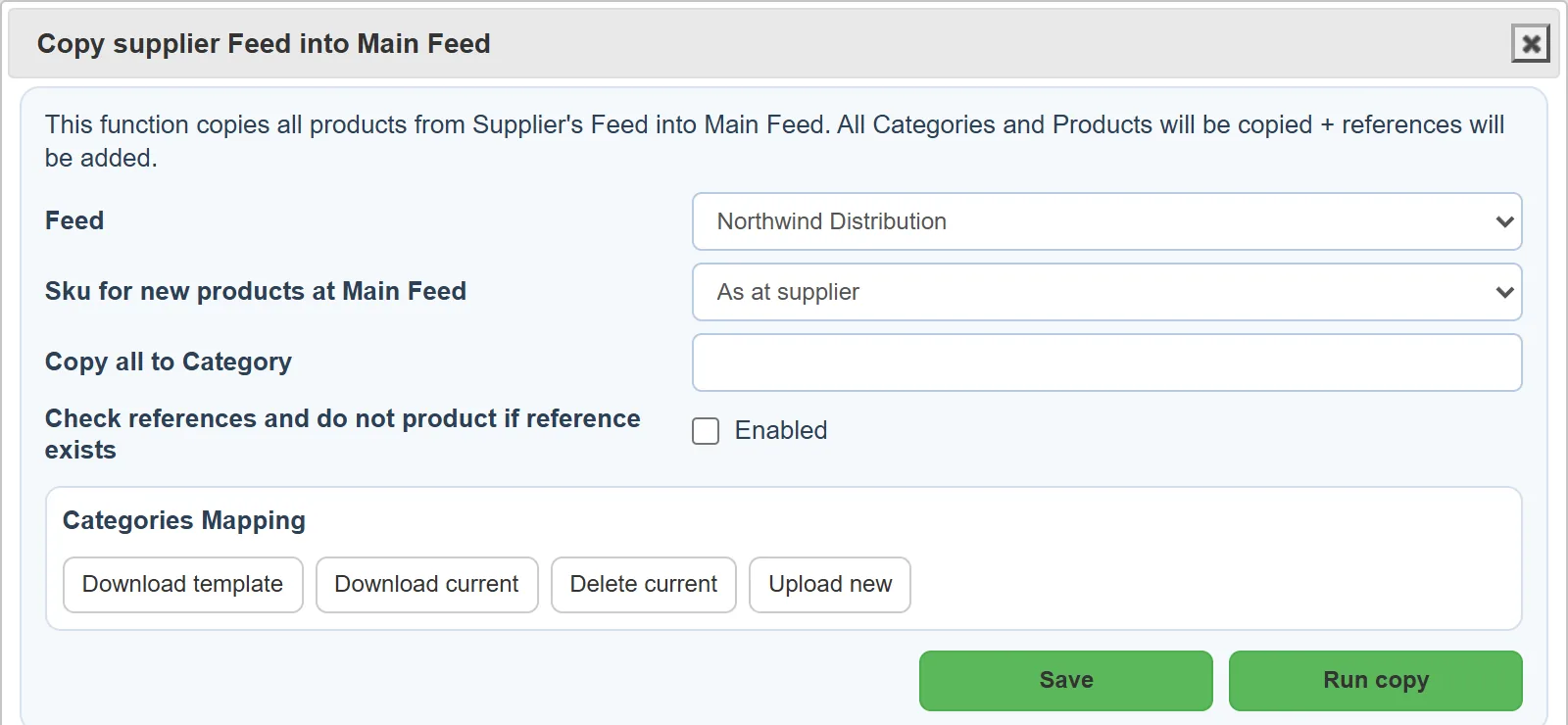
Synchronization means that the same product shows the same price, stock and information everywhere: in your store, on marketplaces, in ad feeds and in the price lists you send to…
A store that sells its own products can photograph every item in a studio. A store that sells products from suppliers usually cannot: there are too many items, they change too…
When products are added by several people, each of them develops their own habits. One writes "Black", another "black", a third "BLK". One puts the brand in the title, another…
Taxonomy is the structure behind your catalog: categories, subcategories, attributes and the relationships between them. Customers never see the word, but they feel the result. A…
A supplier API can be the best source of current prices and stock, but only if you understand how it works before you connect it. API documentation varies from a polished…
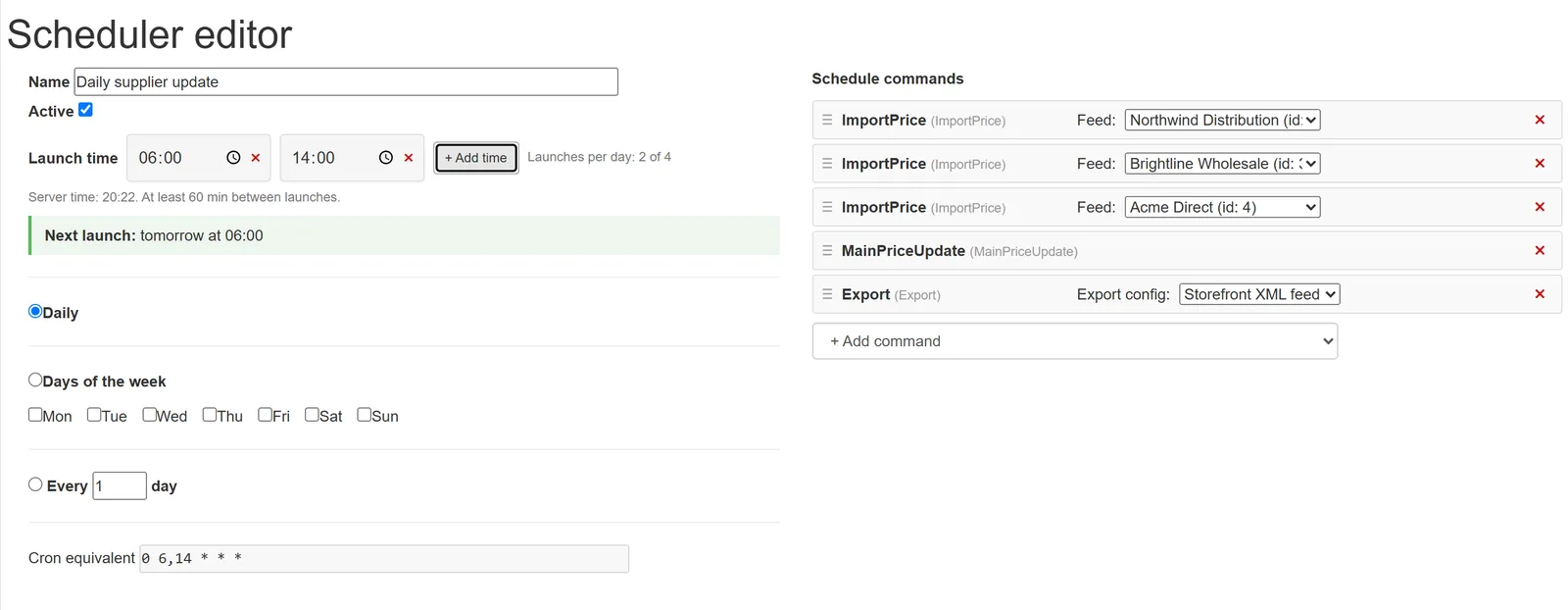
Automation removes the need to start imports by hand, but it raises a new question: when should they run? Too rarely, and the store shows outdated prices and stock. Too often…
Two suppliers can offer the same products at the same prices and still be very different partners. One sends a complete, accurate price list every morning. The other sends it…
Demand for many products follows the calendar. Heaters in autumn, air conditioners in early summer, school supplies in August, gifts before the holidays. Keeping the same markup…
The product title does more work than any other text on the page. It is the main heading, the link text in search results, the first line in shopping ads and the label in…
Price monitoring sounds simple: watch competitor prices and react. In practice, a badly set up system produces noise. It tracks the wrong products, compares mismatched items and…
For a store that sells supplier products, there is always a delay between the moment stock changes at the supplier and the moment your store shows it. The goal of a stock update…
When a supplier offers an API, you no longer have to wait for a price list in your inbox. Prices and stock can be requested directly from the supplier's system as often as you…
Every integration involves credentials: keys to your suppliers' APIs and keys to your own store. In the wrong hands, a store key can change prices, read customer data or delete…
Automating supplier data costs money and setup time. The question is whether it pays off, and how quickly. The answer is usually clear once you count the costs of the manual…
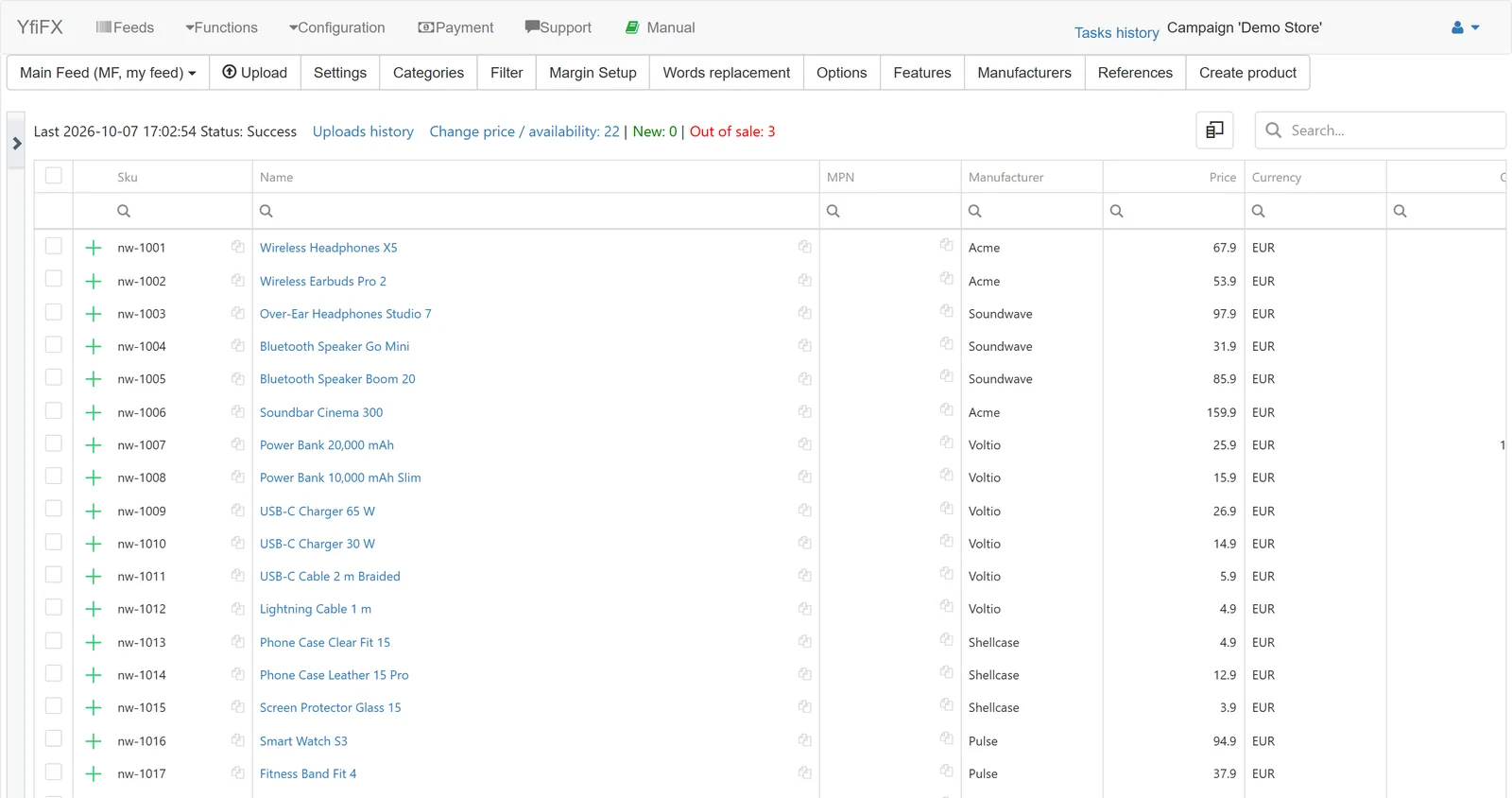
When products ship from a wholesaler's warehouse, your store's stock figure is only as good as your last update from them. Keeping that figure accurate is what separates a smooth…
Automated updates are fast in both directions: they spread correct data quickly, and they spread mistakes just as quickly. A shifted column in a supplier file, a new markup rule…
"Real-time inventory" is a phrase many tools use, and it means different things. For a store with its own warehouse, it means stock that changes the moment an order is placed…
Descriptions age faster than people expect. A supplier changes a specification, a product line gets a new name, a delivery term changes, or you decide to rewrite descriptions…
Integrating a wholesaler means that their products, prices and stock reach your store without anyone copying them by hand. Done well, adding a new wholesaler takes an afternoon…
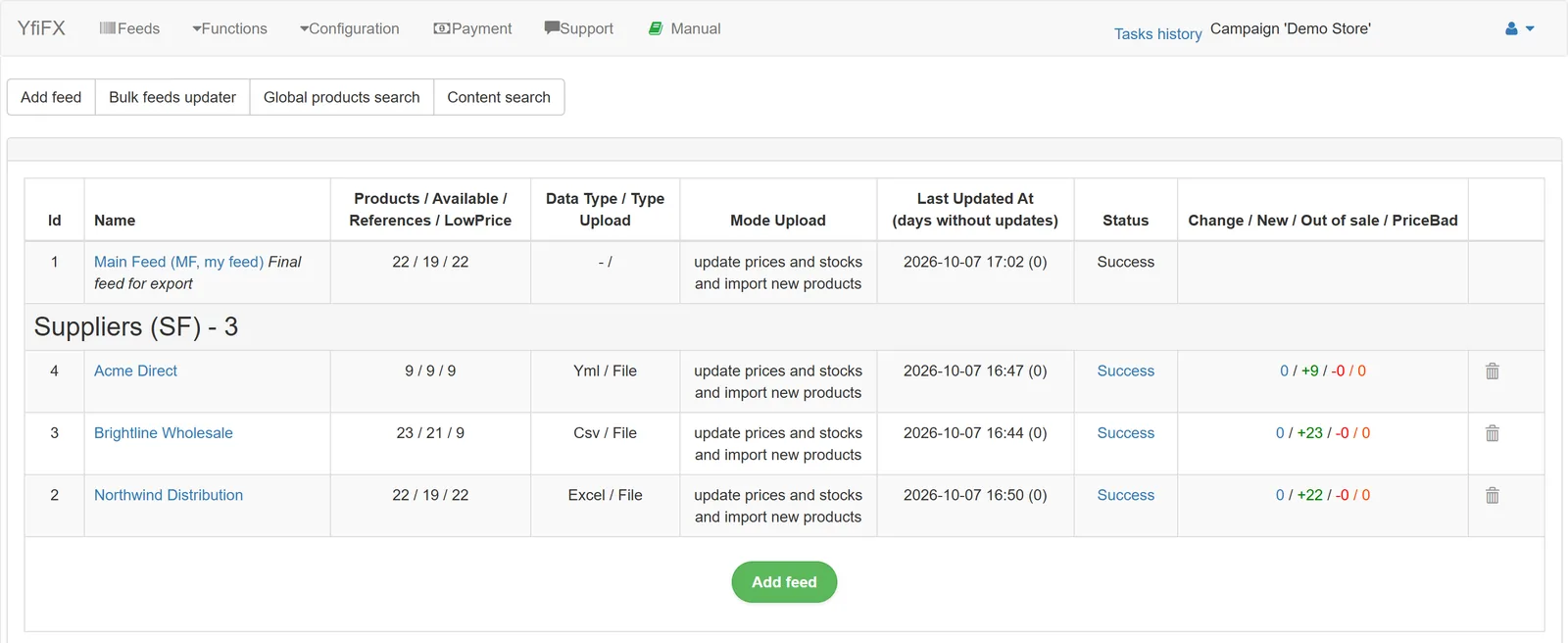
The first supplier is easy. You learn their file, set up a routine and move on. By the fifth supplier, you have five file formats, five delivery methods, five update times and…
Most data problems in a supplier-based store are solved not with software but with a conversation. Suppliers rarely know how their price list is used on the other side. Many of…
Buying from wholesalers lets a store offer a wide range without manufacturing anything. The trade-off is data: every wholesaler sends its own price list, in its own format, on…
Supplier price list automation, product data and catalog management, pricing rules, stock synchronization and integrations with store platforms and marketplaces.
We add new guides regularly, based on questions from stores that use YfiFX.
Yes. The guides are platform-independent and apply to Shopify, WooCommerce, OpenCart, PrestaShop, Horoshop, marketplaces and product feeds.
14 Days Free Trial. Sign up and import your first price list today.