Up-to-date inventory management for online stores
"Real-time inventory" is a phrase many tools use, and it means different things. For a store with its own warehouse, it means stock that changes the moment an order is placed. For a store selling from supplier warehouses, it means something more practical: stock that is as current as the suppliers' own data, updated without delay after they publish it. Understanding which one you need helps you set up the right process.
Know where your stock data comes from
- Own warehouse: changes with every sale and delivery. The store platform usually tracks this itself.
- Supplier warehouses: known only through price lists, feeds or APIs. Fresh as of the supplier's last update.
- Mixed: some items in stock locally, others shipped from suppliers. Needs both sources combined with clear rules.
What "current enough" means
For supplier stock, the goal is not seconds but the shortest gap between the supplier's update and yours. If a supplier publishes stock at 7:00, an import at 7:15 is effectively real-time. An import once a day at midnight is not.
Practices that keep inventory accurate
- Combine all sources in one place, so each product has one stock figure.
- Set supplier priority: which source is used first when the item is available from several.
- Convert text statuses like "in stock" or "few left" into numbers with fixed rules.
- Use a safety threshold for low supplier stock to avoid selling the last, already reserved unit.
- Treat products missing from a supplier's file as unavailable from that supplier.
- Send the same figure to every channel.
Measure it
Track the share of orders cancelled because of stock problems. It is the clearest indicator of how accurate your inventory data really is, and it shows quickly whether a change in the process helped.
Inventory management with YfiFX
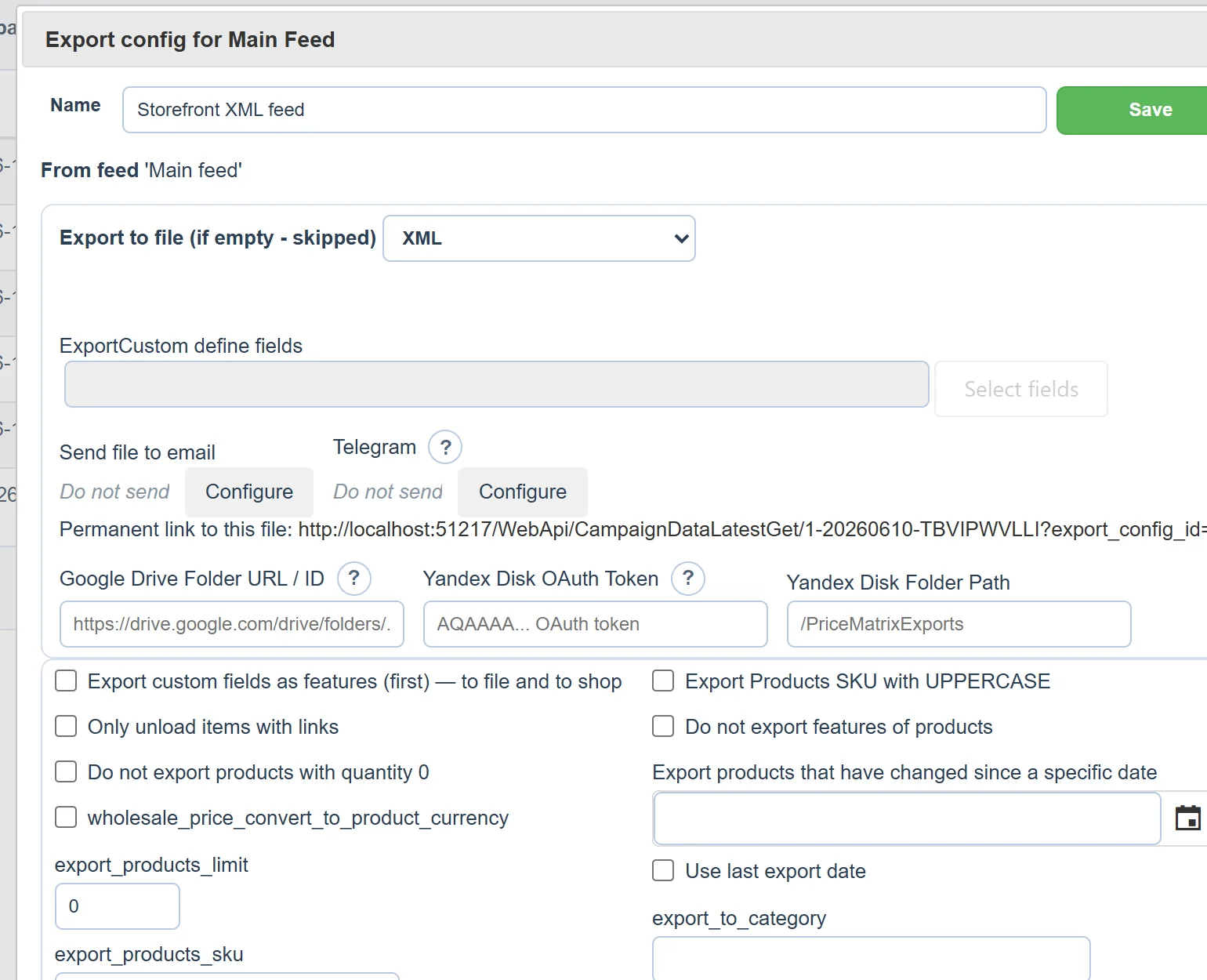
YfiFX combines stock from several suppliers and warehouses in one catalog, updated from their price lists, feeds and APIs on your schedule. Supplier priority decides which offer is used, and you can choose to export only products that are actually available. The same stock data goes to every channel: Shopify, WooCommerce, OpenCart, PrestaShop, Horoshop, Prom.ua or feed files, in the same run that recalculates prices.
Related Articles
Set it up once. YfiFX does the rest
14 Days Free Trial. Sign up and import your first price list today.